Francisation des universités anglophones, une entente qui fait encore débat
Le gouvernement du Québec et les universités anglophones tournent la page sur deux ans de confrontation. Reste une question, est-il normal que des fonds publics servent à financer l'apprentissage du français dans ces établissements ?

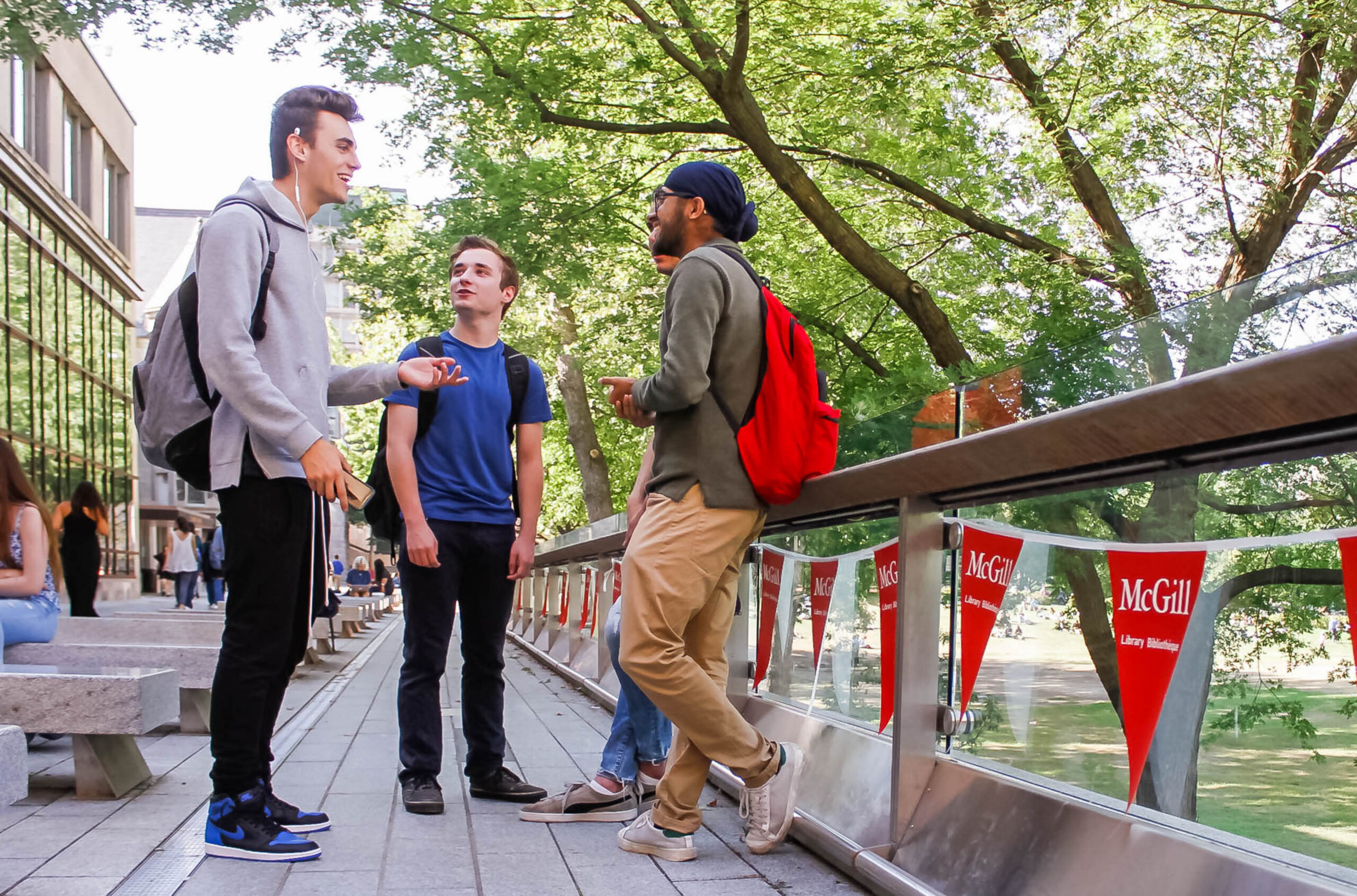
Le gouvernement du Québec a octroyé en juin dernier un financement annuel de 20 millions de dollars aux trois universités anglophones de la province afin de les aider à franciser 60 % de leur clientèle de premier cycle provenant de l’extérieur du Québec.
Au moment d’obtenir leur diplôme, ces personnes étudiantes devront démontrer une compréhension générale de conversations brèves liées à des activités ou à des situations courantes, correspondant au niveau 4 sur 12 de l’Échelle québécoise des niveaux de compétence en français. L’entente s’applique à la cohorte d’automne 2026, et l’évaluation de l’atteinte de cette cible débutera en 2029-2030. Si une université n’atteint pas l’objectif fixé, le gouvernement récupérera une partie de son financement, à raison de 1 500 $ par personne étudiante manquante pour atteindre le seuil de 60 %. Cette pénalité s’appliquera aux McGill et Concordia, tandis que l’Université Bishop’s en sera exemptée.
Un objectif réaliste ?
Cet accord se rapproche de ce que les universités anglophones avaient offert au gouvernement du Québec en 2023. Elles proposaient alors une cible de francisation de 40 %, mais avec un niveau decompétences en français un peu supérieur.
« Nous sommes conscients que le français est une langue en péril en Amérique du Nord et comme établissement québécois nous voulons aider à la protéger et à la promouvoir », assure Graham Carr, recteur et vice-chancelier de l’Université Concordia.
Aucune personne étudiante non-québécoise ne sera obligée de participer aux mesures de francisation. Dans un tel contexte, la cible de 60 % est-elle réaliste ? Le vice-recteur croit que oui, d’autant que les étudiantes et étudiants de l’extérieur du Québec qui parlent déjà français comptent dans le calcul. Les étudiantes et étudiants originaires de France forment la troisième plus importante cohorte de personnes étudiantes internationales de l’Université Concordia.
« Par ailleurs, plusieurs étudiants canadiens non-québécois ont fait de l’immersion en français, donc ils ne partent pas de zéro, ajoute M. Carr. Et les étudiants qui souhaitent rester au Québec après leur diplomation savent qu’ils devront apprendre le français. »
Des efforts plus soutenus
« Cette entente nous aidera à poursuivre les efforts qui se font déjà pour renforcer la place du français sur notre campus », affirme pour sa part Natalia Liakina, vice-provost au rayonnement du français à l’Université McGill.
Elle croit que la dualité linguistique et culturelle du Québec est l’une des raisons qui attirent des personnes étudiantes non-québécoises à l’Université McGill. Cela leur permettrait, selon elle, d’étudier en anglais tout en réalisant plusieurs expériences en français.
L’établissement a augmenté récemment son offre de cours en communication générale en français. Elle a aussi ajouté un parcours d’apprentissage du français en contexte professionnel. L’université propose des bourses à des étudiantes et étudiants non-québécois pour qu’ils fassent des expériences d’immersion à Québec pendant l’été.
« L’apprentissage du français ne se fait pas qu’en classe et bénéficie grandement de séjours dans un contexte authentiquement francophone », fait remarquer la vice-provost.
Deux ans d’affrontement
Cette entente écrit un nouveau chapitre d’une histoire qui dure depuis plus de deux ans. En octobre 2023, l’ex-ministre de l’Éducation supérieure, Pascale Déry, a augmenté de 9 000 à 17 000 dollars les droits de scolarité pour les personnes étudiantes canadiennes non québécoises inscrites dans les universités anglophones. Elle exigeait aussi que ces établissements francisent 80 % de leur clientèle à partir de l’automne 2025.
En décembre 2023, le gouvernement du Québec a réduit ces droits de scolarité à 12 000 dollars. L’augmentation est entrée en vigueur à l’automne 2024. Les trois universités anglophones du Québec ont combattu ce changement jusque devant les tribunaux. En avril 2025, la Cour supérieure a soutenu que les arguments invoqués par le gouvernement du Québec ne justifiaient pas l’ampleur de la hausse et que la cible de 80 % était irréaliste.
Le gouvernement du Québec a maintenu la majoration tout en négociant avec les établissements anglophones, ce qui a mené à l’entente de 20 millions de dollars. « Personne dans les universités québécoises ne se désolera d’un programme qui améliore les perspectives du français dans nos établissements », lance Christian Blanchette, président du Bureau de coopération interuniversitaire. Il affirme que le soutien du gouvernement aidera les établissements anglophones à concrétiser leurs engagements envers la francisation.
De son côté, Martin Maltais, professeur spécialisé en financement et politiques d’éducation à l’Université du Québec à Rimouski, croit que cette entente représente plus une atténuation de certains risques qu’un réel outil pour assurer la prospérité du français.
Il trouve étrange d’inclure les étudiantes et étudiants francophones dans le calcul de la cible de francisation. Il souligne également que plusieurs programmes dans des établissements francophones exigent un certain niveau de maîtrise de l’anglais à la diplomation et offrent des mesures pour y parvenir, sans recevoir de financement supplémentaire. « Ne serait-ce pas normal que les établissements universitaires anglophones s’assurent de leur côté que les étudiants qui les fréquentent acquièrent un certain niveau de connaissance du français ? », demande-t-il.
Notons que l’augmentation de 3000 dollars des droits de scolarité des personnes étudiantes non-québécoises inscrites dans les universités anglophones a été maintenue et n’est pas affectée par l’entente sur la francisation.





Postes vedettes
- Architecture - Professeure adjointe / agrégée ou professeur adjoint / agrégé (enjeux sociaux et humains)Université de Montréal
- Informatique - Professeure adjointe / agrégée ou professeur adjoint / agrégé (cybersécurité ou intelligence artificielle)Université Laurentienne
- Inégalités mondiales et le commerce - Professeure ou professeurUniversité Laval
- Leader émergent Impact+ Canada en recherche et thérapeutiques du cancerUniversité d'Ottawa
- Études internationales - Professeure ou professeur (défense et sécurité de l'artique)Université Laval
Actualités : découvrez plus de contenu
-

Débat politique à l’UQAM : les partis précisent leurs positions sur l’enseignement supérieur
À moins de deux semaines des élections québécoises, des représentants du Parti québécois, du Parti libéral du Québec, de Québec solidaire et du Parti conservateur du Québec ont débattu d’enseignement supérieur à l’UQAM, le 22 septembre.
-

Un comité parlementaire recommande d’exclure l’EDI des décisions relatives au financement de la recherche
Selon le Comité permanent de la science et de la recherche, les politiques en matière d’EDI, jugées « discriminatoires », « affaiblissent l’excellence de la recherche au Canada ».
-

Un rapport parlementaire recommande de renforcer la place du français en recherche
Le Comité permanent de la science et de la recherche de la Chambre des communes a déposé un nouveau rapport le 21 septembre 2026. Parmi ses recommandations, il propose de mieux soutenir la recherche en français et d’envisager des cibles de financement pour les demandes soumises dans cette langue.
-

Former davantage de médecins de famille en région
De nouvelles voies de formation cherchent à attirer davantage de médecins de famille dans les régions où les besoins sont les plus criants.
Personnes étudiantes : découvrez plus de contenu
-

Accès aux études postsecondaires : la situation économique des grands-parents compte
Les revenus des grands-parents influencent l’accès aux études postsecondaires de leurs petits-enfants au Canada, démontre une récente étude.
-

Le paradoxe de l’apprentissage au doctorat
L’obtention d’un doctorat ne marque pas l’aboutissement de l’apprentissage, mais plutôt la fin de l’illusion que celui-ci puisse un jour cesser.
-
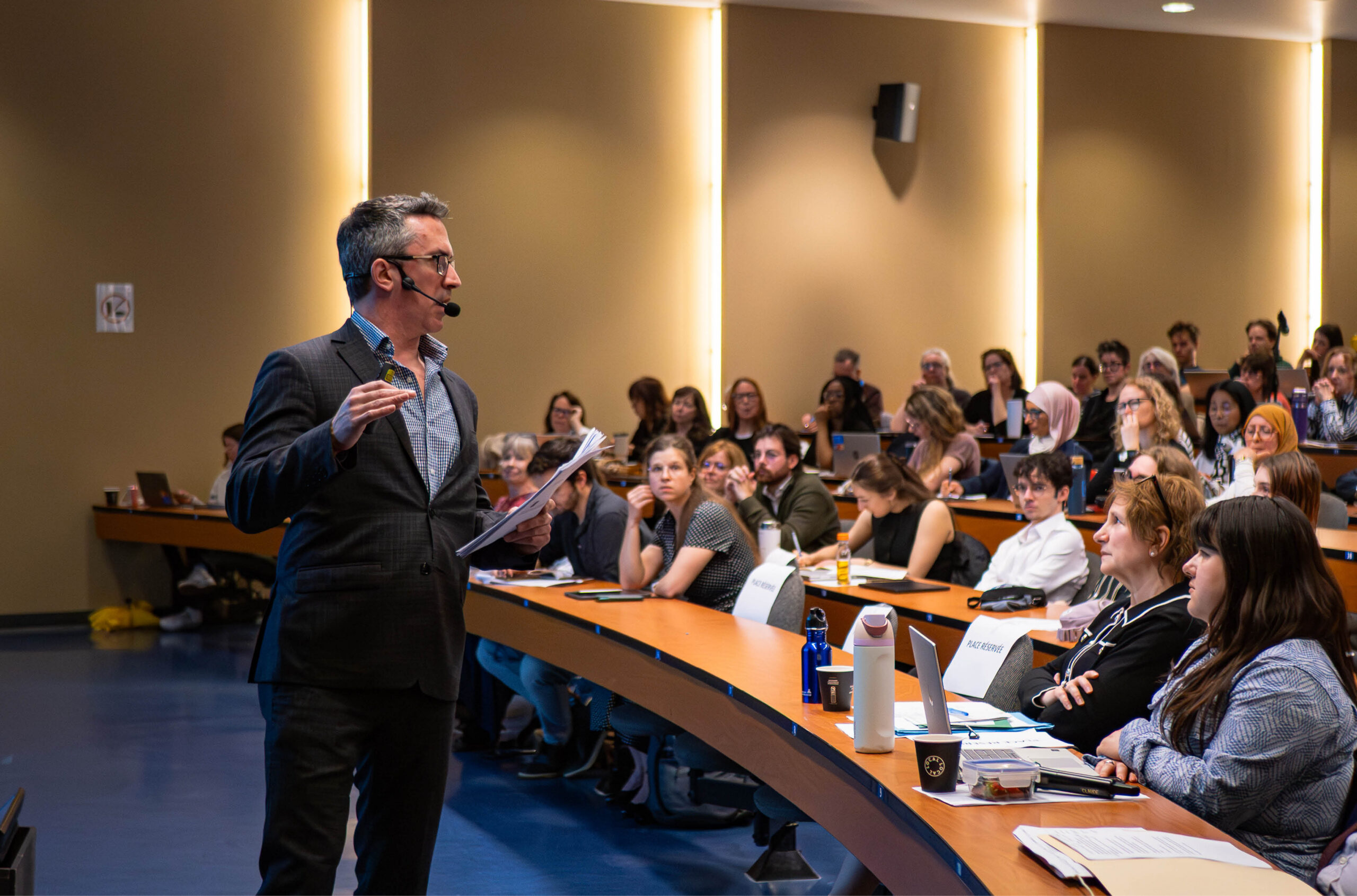
L’université d’impact prend forme à Montréal
Une journée d’échanges a réuni personnes étudiantes et membres du corps professoral autour du sens donné aux études supérieures, de la valeur des diplômes universitaires, ou encore de la santé mentale étudiante.
-

Au secours !
Pour la première fois, l’Université Laurentienne a accueilli la Compétition de sauvetage minier des universités nord-américaines.
Articles : découvrez plus de contenu
-
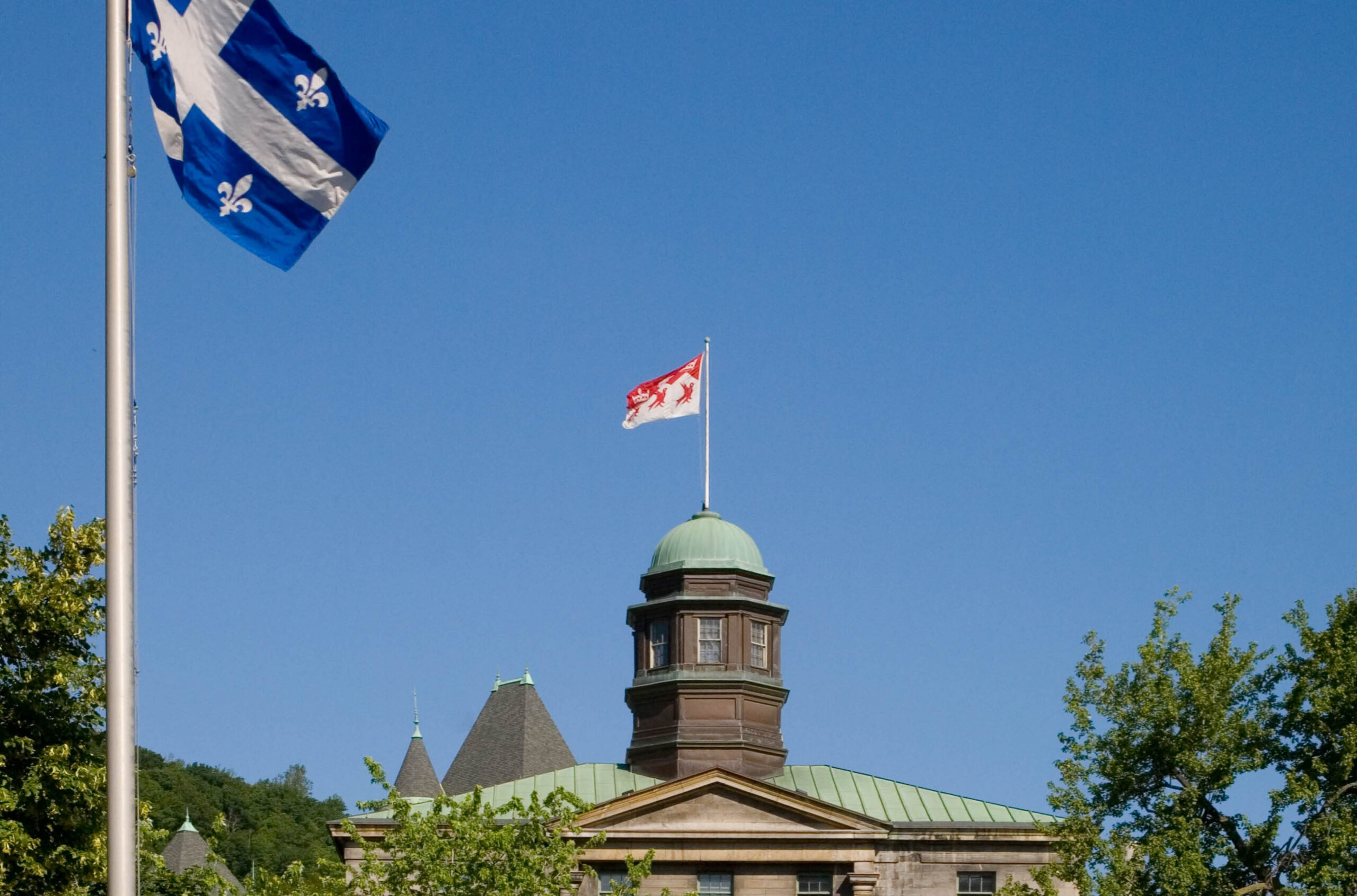
Les universités anglophones du Québec mettent en œuvre les nouvelles exigences en français
McGill, Concordia et Bishop’s déploient de nouvelles initiatives pour encourager la population étudiante à apprendre le français.
-
La liberté académique recule dans le monde, le Canada appelé à renforcer sa défense
Un rapport de Scholars at Risk fait état d’un recul marqué de la liberté universitaire et de l’autonomie des établissements à l’échelle mondiale, les États-Unis figurant parmi les pays les plus durement touchés.
-

Le nombre de permis d’études aux cycles supérieurs a doublé depuis 2025
Les modifications apportées aux politiques entraînent une forte hausse du nombre de permis délivrés aux candidates et candidats internationaux à la maîtrise et au doctorat.
-

Les universités cherchent leur place dans les élections québécoises
Les universités peinent à se faire entendre des partis politiques et de l’électorat québécois dans une élection dominée par la guerre commerciale avec les États-Unis et la hausse du coût de la vie. Pourtant, les universités se voient comme des piliers importants pour relever ces défis.


Laisser un commentaire
Affaires universitaires fait la modération de tous les commentaires en appliquant les principes suivants. Lorsqu’ils sont approuvés, les commentaires sont généralement publiés dans un délai d’un jour ouvrable. Les commentaires particulièrement instructifs pourraient être publiés également dans une édition papier ou ailleurs.